

Most urban homeowners in Asia are discovering that switching to energy efficient appliances can cut household energy use by as much as 30 percent. With rising electricity costs and growing environmental concerns, the search for practical ways to shrink both bills and carbon footprint is more important than ever. American standards for energy performance are shaping modern appliance innovation, helping city dwellers select technologies that deliver lasting savings and greener results.
Table of Contents
- Defining Energy Efficient Appliances
- Major Types And How They Work
- Key Features And Efficiency Standards
- Environmental And Financial Impact For Homeowners
- Common Barriers And Solutions For Adoption
Key Takeaways
| Point | Details |
|---|---|
| Energy Efficiency is Key | Energy efficient appliances significantly reduce electricity consumption and environmental impact while maintaining high performance. |
| Technological Innovations | Advanced features like smart sensors and inverter-based systems optimize functionality and efficiency in appliances. |
| Financial and Environmental Benefits | Homeowners can save on utility bills and contribute to climate change mitigation through energy efficient appliance adoption. |
| Overcoming Barriers | Addressing higher upfront costs and consumer awareness through incentives and education is crucial for widespread adoption. |
Defining Energy Efficient Appliances
Energy efficient appliances represent a strategic solution for urban homeowners seeking to reduce electricity consumption and minimize environmental impact. These specialized devices are engineered to deliver optimal performance while consuming significantly less power compared to traditional models. Minimum energy performance standards have become crucial in transforming the appliance marketplace.
At their core, energy efficient appliances are designed to maximize functionality while minimizing electricity usage. They incorporate advanced technological features that enable them to perform standard tasks with substantially reduced energy requirements. For instance, an energy efficient refrigerator might use advanced insulation, variable speed compressors, and intelligent temperature management systems to maintain cooling while drawing minimal electrical current.
Key characteristics of these appliances typically include:
- Superior electrical consumption ratings
- Enhanced technological components
- Lower operational costs
- Reduced carbon footprint
- Advanced design principles that prioritize energy conservation
Governments and environmental organizations worldwide actively promote these appliances through collaborative international initiatives aimed at reducing global energy consumption. These programs help manufacturers develop increasingly sophisticated technologies that balance performance with environmental responsibility.
Pro Tip: When shopping for energy efficient appliances, always check the Energy Star rating and compare the annual energy consumption across different models to maximize long-term savings.
Major Types and How They Work
Energy efficient appliances encompass a wide range of household devices designed to minimize electricity consumption while maintaining high performance. Technological innovations have transformed traditional appliances into sophisticated energy-saving solutions across multiple categories, each utilizing unique strategies to reduce power usage.
The primary categories of energy efficient appliances include:
- Refrigerators and Cooling Appliances
- Incorporate advanced compressor technologies
- Use intelligent temperature management systems
- Feature improved insulation materials
- Employ variable speed motors for optimized cooling
- Washing Machines
- Utilize load sensing technologies
- Optimize motor speeds based on laundry volume
- Implement water and energy conservation cycles
- Reduce water heating requirements
- Air Conditioning Systems
- Leverage advanced refrigerant technologies
- Use inverter-based compressor designs
- Enable precise temperature and humidity control
- Minimize energy consumption during operation
- Lighting Solutions
- Integrate LED technologies
- Provide equivalent brightness with minimal power consumption
- Include smart control and dimming capabilities
- Offer longer operational lifespans
- Cooking Equipment
- Implement precise heating elements
- Use induction technology for efficient cooking
- Enable smart energy management features
- Reduce standby power consumption
Pro Tip: When evaluating energy efficient appliances, compare their annual energy consumption ratings and look for models with the highest efficiency scores to maximize long-term household savings.
Here is a summary comparing major types of energy efficient appliances and their key value for urban homeowners:
| Appliance Type | Main Energy Saving Feature | Homeowner Benefit |
|---|---|---|
| Refrigerator | Variable speed compressors | Lower electricity bills |
| Washing Machine | Load sensing technology | Reduced water and energy use |
| Air Conditioner | Inverter-based compressors | Consistent comfort, less cost |
| LED Lighting | High-efficiency LEDs | Longer lifespan, less usage |
| Induction Cooktop | Smart heating elements | Faster, cleaner cooking |
Key Features and Efficiency Standards
Energy efficient appliances are defined by sophisticated technological features and rigorous performance benchmarks that set them apart from traditional models. Minimum energy performance standards play a critical role in driving innovation and eliminating inefficient products from the marketplace.
Key technological features that characterize energy efficient appliances include:
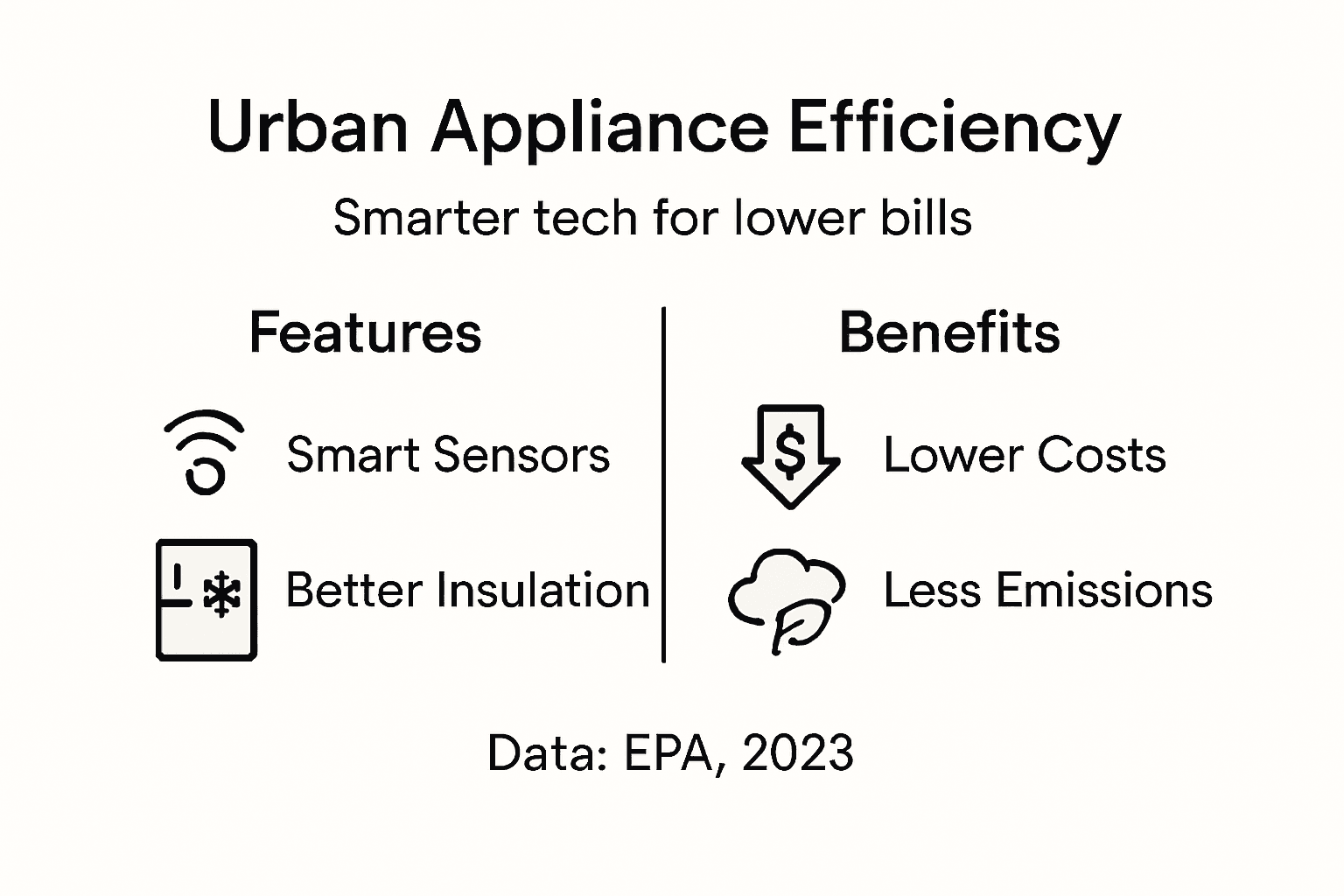
- Smart Sensors: Enable precise energy monitoring and adaptive performance
- Advanced Compressors: Optimize operational efficiency
- Improved Insulation: Reduce energy waste and maintain consistent performance
- High-Efficiency Motors: Consume less electricity while delivering superior functionality
Efficiency standards are typically implemented through two primary mechanisms: mandatory performance benchmarks and comprehensive labeling programs. These standards serve multiple critical purposes:
- Establish minimum technological requirements
- Provide transparent energy consumption information
- Drive continuous technological improvement
- Enable consumers to make informed purchasing decisions
Government agencies and international organizations collaborate to develop and update these standards, ensuring they remain aligned with technological advancements and environmental conservation goals. The standards typically involve regular assessments, periodic updates, and incentive programs that encourage manufacturers to develop increasingly sophisticated energy-efficient technologies.
Pro Tip: Look for appliances with Energy Star certification and compare their annual energy consumption ratings to identify the most efficient models for your specific needs.
Environmental and Financial Impact for Homeowners
Energy efficient appliances represent a powerful solution for homeowners seeking to simultaneously reduce household expenses and minimize their environmental footprint. Efficiency standards can save households billions annually while significantly decreasing carbon emissions.
From a financial perspective, the economic benefits of energy efficient appliances are substantial:
- Reduced monthly utility bills
- Lower maintenance costs due to advanced technological design
- Potential tax incentives and rebates
- Increased property value through modernized infrastructure
Sustainable appliance technologies contribute meaningfully to environmental conservation. By reducing energy demand, these appliances help mitigate climate change through significant carbon emission reductions. Research indicates that efficient appliances could potentially contribute approximately one-fifth of the global emissions reduction needed to meet critical climate targets.
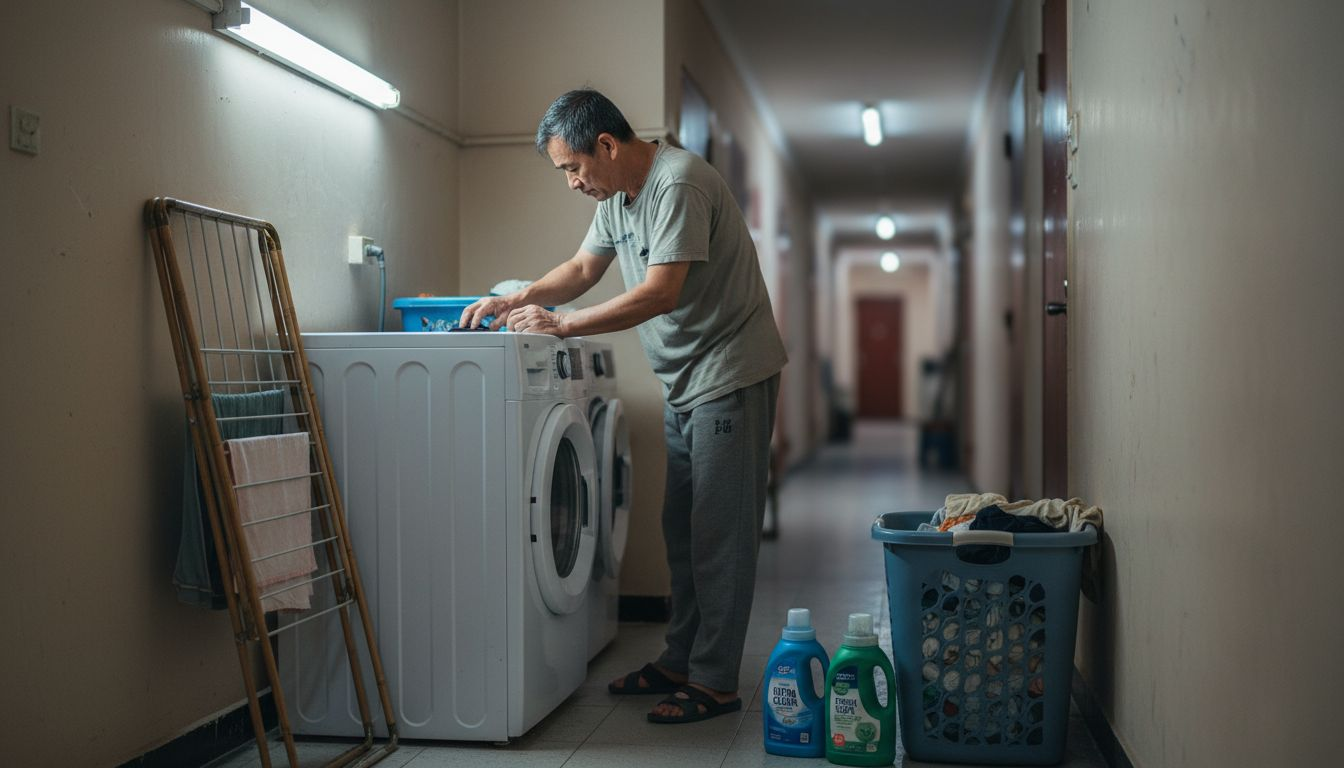
The long-term impact extends beyond individual households. When multiplied across urban communities, the collective energy savings and emissions reductions represent a transformative approach to sustainable living. Each energy efficient appliance becomes a small but meaningful component in the broader strategy of environmental preservation and responsible resource management.
Pro Tip: Calculate your potential annual savings by comparing the energy consumption ratings of your current appliances with newer, more efficient models to understand the financial and environmental benefits.
Common Barriers and Solutions for Adoption
Adopting energy efficient appliances presents several challenges that prevent widespread implementation in urban households. Market barriers limit consumer choices and create obstacles to sustainable technology integration.
The primary barriers to energy efficient appliance adoption include:
- Higher Upfront Costs: Advanced technologies typically require greater initial investment
- Limited Consumer Awareness: Many homeowners remain uninformed about long-term benefits
- Information Gaps: Unclear performance metrics and complex technical specifications
- Behavioral Resistance: Reluctance to change existing purchasing habits
Smart policy frameworks have emerged to address these challenges through comprehensive strategies:
- Financial Incentives
- Tax rebates for efficient appliance purchases
- Reduced interest rates on energy-efficient home upgrades
- Direct consumer subsidies
- Enhanced Consumer Education
- Clear energy performance labeling
- Public awareness campaigns
- Transparent cost-benefit analysis tools
- Regulatory Support
- Mandatory efficiency standards
- Phasing out inefficient appliance models
- Supporting technological innovation
Government and industry collaboration remains crucial in overcoming market barriers. By creating transparent, supportive ecosystems, stakeholders can accelerate the transition toward more sustainable urban living environments.
The following table outlines common barriers to adopting energy efficient appliances and practical solutions:
| Barrier | Example | Solution Approach |
|---|---|---|
| Higher purchase cost | Premium pricing | Rebates and subsidies |
| Limited awareness | Lack of info | Public education campaigns |
| Technical complexity | Unknown metrics | Clear performance labels |
| Habitual resistance | Preference for old models | Incentives for upgrades |
Pro Tip: Research local utility company incentive programs that offer cash rebates or discounts for purchasing energy efficient appliances to offset initial costs.
Make Your Urban Home Greener with Energy Efficient Appliances
Upgrading to energy efficient appliances is a vital step to lower your utility bills and shrink your carbon footprint. If you want to overcome the challenge of higher upfront costs and technical complexity described in the article, explore our selection of advanced Home and Kitchen products designed to combine performance with energy savings. These appliances feature smart sensors and improved insulation to deliver comfort while using less power.
Start transforming your home today for a sustainable tomorrow. Visit https://myzabka.com to find specially chosen energy efficient appliances that meet stringent standards. Take advantage of this opportunity to reduce costs and join the growing community committed to environmental responsibility.
Frequently Asked Questions
What are energy efficient appliances?
Energy efficient appliances are specially designed household devices that consume less electricity while maintaining optimal performance, helping homeowners reduce their energy costs and environmental impact.
How do energy efficient appliances work?
Energy efficient appliances work by using advanced technology, such as smart sensors, improved insulation, and high-efficiency motors, to maximize functionality while minimizing electricity usage in tasks like cooling, washing, and cooking.
What are the benefits of using energy efficient appliances in urban homes?
The benefits include lower monthly utility bills, reduced maintenance costs, potential tax incentives, and a smaller carbon footprint, contributing to both personal savings and environmental conservation.
What should I consider when shopping for energy efficient appliances?
When shopping for energy efficient appliances, check for Energy Star ratings, compare annual energy consumption across models, and look for features that enhance efficiency, such as load sensing in washing machines or inverter compressors in air conditioners.